If the hernia is caught early, your dog should be fine. This type of trauma can occur when hit by a car,.
Hernia-Umbilical-In-Dogs | Vca Animal Hospital
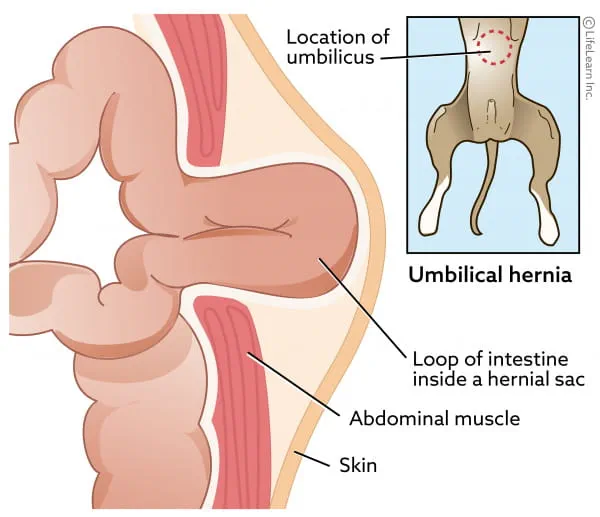
The perineal hernia is a type of abdomen wall defect that can be seen in dogs over the age of 5 without being neutered.
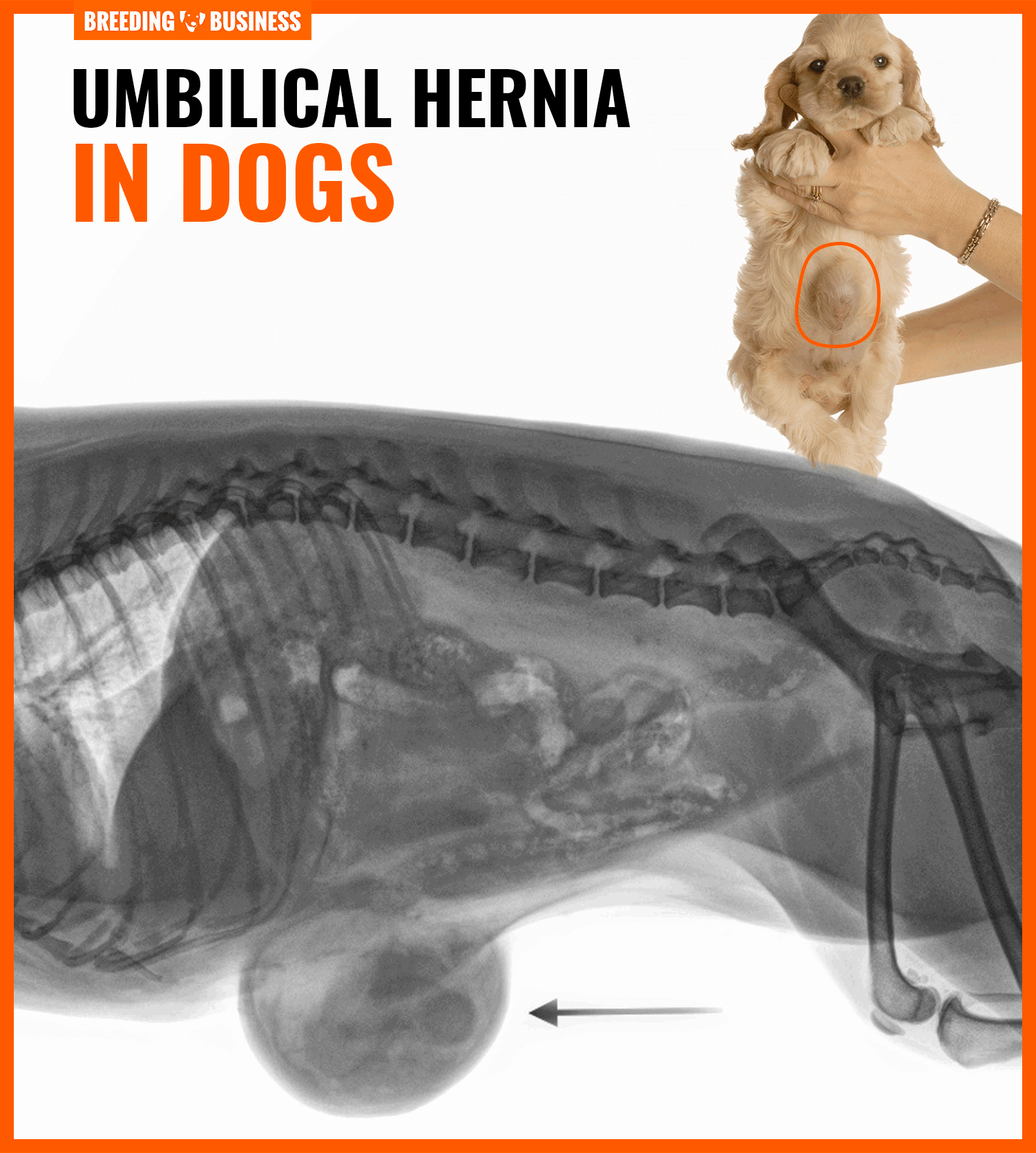
What causes hernias in dogs. A hernia occurs when an internal organ (generally in the abdominal region) protrudes through an area with a tear in the surrounding muscles. Causes of diaphragmatic hernia in dogs. A perineal hernia occurs when the muscles and tissues supporting the rectum and other organs in the pelvis become weakened.
There is good news and bad news. This can lead to the protrusion of a hernia on either side of a. The pelvic muscle tears and allows abdominal.
Trauma can also cause a hiatal hernia. Causes of dog hernias a hernia happens when the contents of a dog’s abdomen pushes through a hole or weak area in the muscle wall. Hernias can be congenital, which means the dog had.
Causes of perineal hernias in dogs. They can also occur in the. Congenital hernias are the most common cause.
The most common cause of this condition is age. If you think your dog has a hernia or starting to show signs of a. Hernias are potentially caused by a variety of factors, including trauma, tumors, age, and congenitally.
Though there is no known underlying cause for perineal hernias, the vast majority. Causes of umbilical hernia in dogs. The most common cause of diaphragmatic hernia in dogs is a blunt physical trauma.
A hernia is a tear in the wall of a muscle that allows the internal organs or fatty tissue normally found behind the muscles in the abdomen to push through. Pregnant dogs are more likely to develop the condition due to the increased pressure on the abdominal wall. Hernias can be congenital, which.
In most veterinary patients, hiatal hernia appears to be a congenital (or birth) defect. An abdominal injury can also. While there are risks with surgery and medications, your vet will help make the risks as low as possible.
Hernias can be congenital (meaning the puppy was born with the condition) or acquired through trauma, disease or aging. A perineal hernia is a hernia that results from a weakened or failed pelvic diaphragm—the muscular wall that supports the rectum. The hernia causes parts of the.
There are many reasons that a dog could develop a perineal hernia. In fact, the impact of getting hit by a car has been known to cause hernias in dogs. A tough blow to the abdomen, a dog bite, or some other form of trauma can trigger a hernia.
Diagnosis is based on consistent clinical signs and rectal palpation. A hernia happens when the contents of a dog’s abdomen pushes through a hole or weak area in the muscle wall.
Hernias In Dogs: Everything You Need To Know | Purina
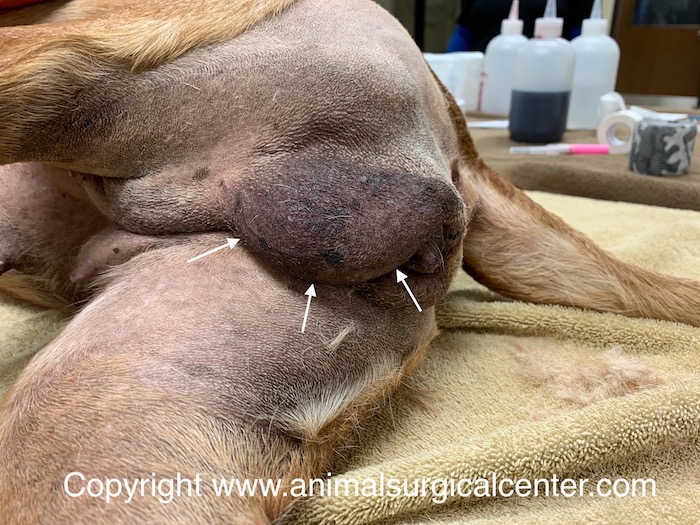
Animal Surgical Center Of Michigan - Veterinarian In Flint, Mi